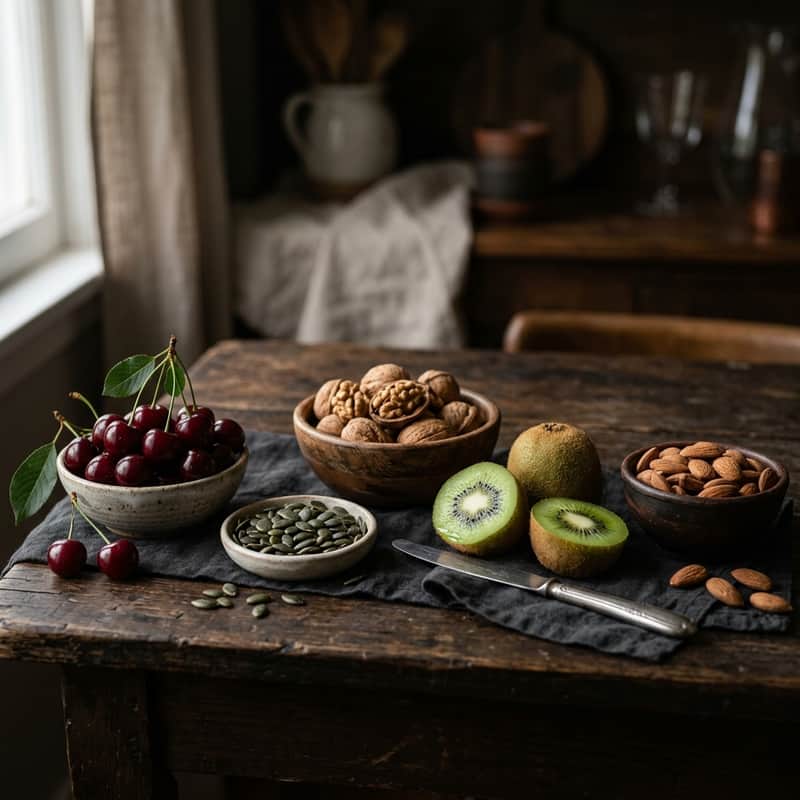
The Architecture of Deep Sleep: Why Food Matters
In our modern, hyper-connected world, sleep deprivation has reached epidemic proportions. According to recent clinical data, nearly a third of all adults fail to achieve the recommended seven to nine hours of restorative sleep per night. This chronic lack of rest is not merely a matter of feeling tired the next day; it fundamentally disrupts the body's biological architecture. When we sleep—specifically during the deep, slow-wave stages—the brain engages in a critical process known as the glymphatic clearance. During this phase, cerebrospinal fluid effectively washes through the brain tissue, clearing away toxic byproducts like amyloid-beta proteins that accumulate during waking hours. Without adequate deep sleep, these neurotoxins build up, significantly accelerating cognitive decline and increasing the risk of neurodegenerative conditions such as Alzheimer's disease.
While the pharmaceutical industry has produced countless synthetic sleep aids, these medications often function merely as sedatives. They may render you unconscious, but they frequently disrupt the natural architecture of your sleep cycle, particularly REM (Rapid Eye Movement) and deep slow-wave sleep. This is why many people wake up feeling groggy and unrefreshed after using them. The optimal solution lies in working with your body's natural biological rhythms, and the most powerful tool for this calibration is nutrition. The foods we consume are not just calories; they are signaling molecules. Specific whole foods contain precise phytochemicals, amino acids, and macrominerals that act as direct precursors to the hormones and neurotransmitters responsible for regulating our circadian rhythm. By strategically incorporating these specific foods into your evening routine, you can naturally and effectively optimize your sleep architecture.
True sleep is an active biological process, not a passive state. It requires the precise nutritional building blocks to synthesize melatonin, calm the nervous system, and initiate deep neurological repair.
1. Tart Cherries: The Natural Melatonin Powerhouse
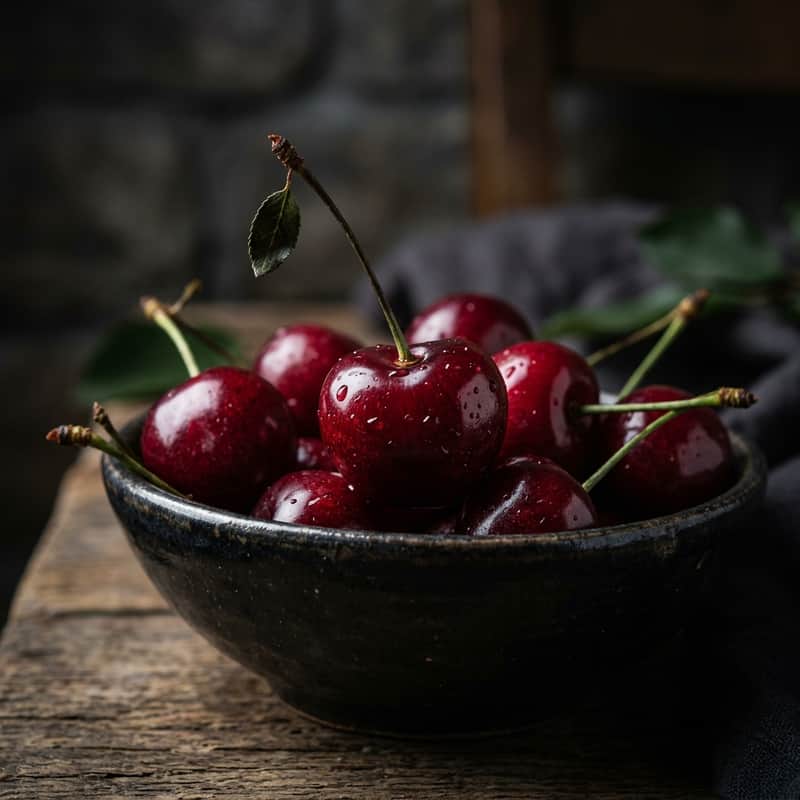
Montmorency tart cherries are arguably the most clinically researched food for sleep enhancement, and for excellent reason. Unlike their sweeter counterparts, tart cherries possess a unique and highly specific phytochemical profile that makes them an unparalleled natural sleep aid. The primary mechanism driving their profound efficacy is their exceptionally high concentration of naturally occurring melatonin. Melatonin is the master hormone responsible for regulating our circadian rhythm; it is the biochemical signal that communicates to every cell in the body that it is time to wind down and prepare for sleep.
When you consume tart cherry juice (or whole tart cherries), you are introducing a highly bioavailable, exogenous source of melatonin directly into your bloodstream. Clinical trials have repeatedly demonstrated that consuming tart cherry juice twice a day can increase total sleep time by an average of 84 minutes per night in adults suffering from insomnia. Furthermore, tart cherries are loaded with potent antioxidants called anthocyanins. These compounds significantly reduce systemic inflammation. Because chronic inflammation is a known disruptor of sleep architecture, mitigating this inflammatory burden allows the body to transition more smoothly into deep, uninterrupted sleep cycles.
2. Pumpkin Seeds: The Ultimate Source of Tryptophan and Zinc
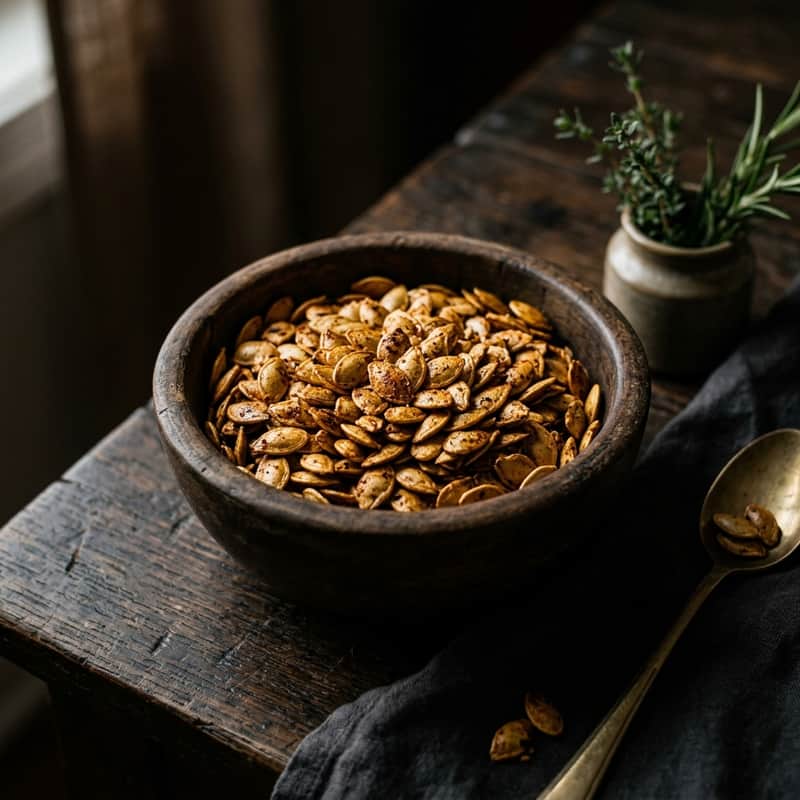
Pumpkin seeds (also known as pepitas) are nutritional titans, particularly when it comes to sleep optimization. Their power lies in a specific, synergistic combination of three essential nutrients: the amino acid tryptophan, zinc, and magnesium. Tryptophan is an essential amino acid, meaning our bodies cannot produce it; we must obtain it from our diet. Tryptophan is the direct biological precursor to serotonin, the 'feel-good' neurotransmitter, which is subsequently converted into melatonin in the pineal gland when darkness falls.
However, the conversion of tryptophan to serotonin and melatonin requires specific co-factors to occur efficiently. This is where pumpkin seeds truly shine. They are one of the richest plant-based sources of zinc, a trace mineral absolutely critical for the enzymatic conversion of tryptophan to serotonin. Additionally, pumpkin seeds are packed with magnesium, a macromineral that functions as a neurological brake pedal. Magnesium actively binds to gamma-aminobutyric acid (GABA) receptors in the brain. GABA is an inhibitory neurotransmitter responsible for quieting nerve activity and reducing anxiety. A handful of pumpkin seeds in the evening provides the perfect biochemical trio to initiate profound relaxation.
3. Walnuts: The Brain-Shaped Sleep Enhancer
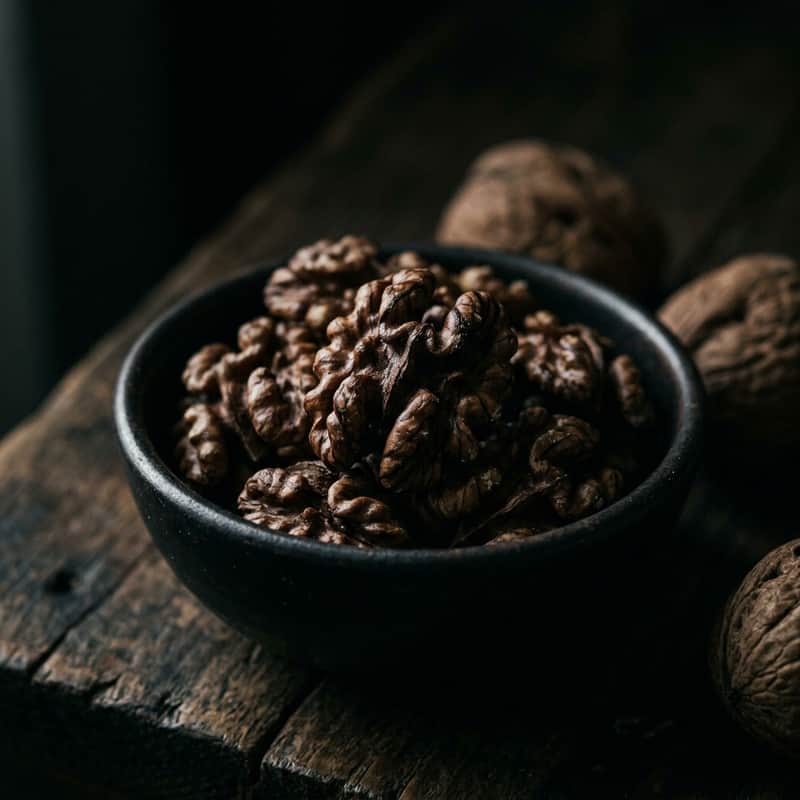
It is a fascinating signature of nature that the walnut perfectly resembles a miniature human brain, as its benefits for cognitive health and sleep are profound. Walnuts are unique among tree nuts because they contain their own naturally occurring source of melatonin, adding directly to your circulating blood levels to help induce sleep. But their sleep-promoting mechanisms extend far beyond just melatonin.
Walnuts are an exceptional source of Alpha-Linolenic Acid (ALA), a plant-based Omega-3 fatty acid. DHA, a long-chain Omega-3 that the body converts from ALA, has been shown in clinical studies to increase the release of melatonin. Furthermore, Omega-3 fatty acids are critical for maintaining the structural integrity of neuronal cell membranes, allowing for optimal neurotransmitter signaling. The dense concentration of polyphenolic compounds in walnuts also reduces oxidative stress in the brain, creating a neuro-protective environment that is highly conducive to deep, restorative sleep. Consuming a small handful of raw walnuts an hour before bed can significantly improve sleep efficiency.
4. Kiwi: The Surprising Serotonin Booster
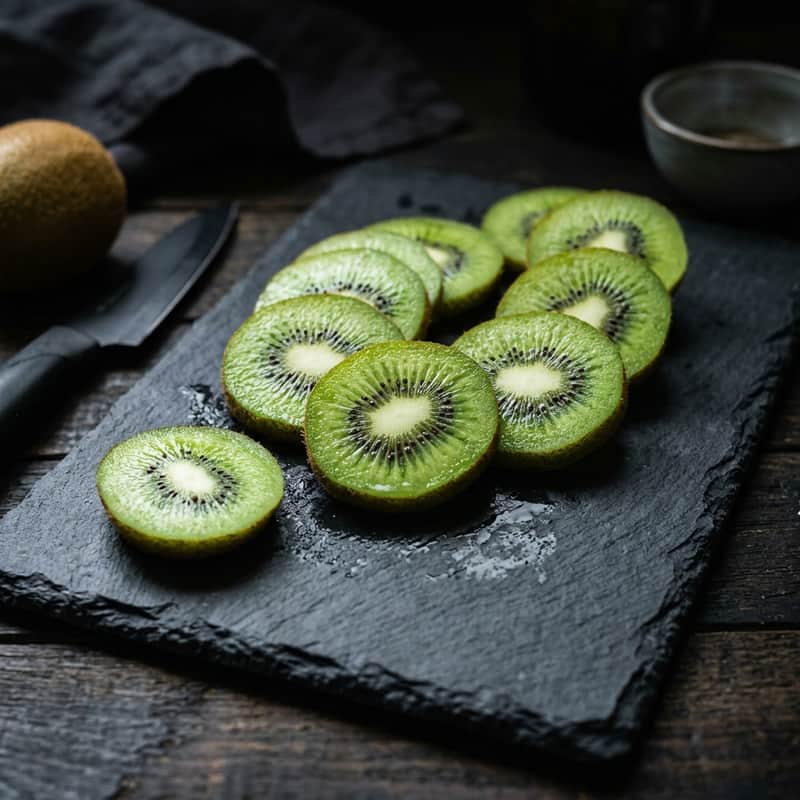
The kiwi fruit is rapidly emerging as one of the most potent whole-food interventions for sleep quality. At first glance, a bright, acidic fruit might seem counterintuitive for a bedtime snack, but clinical research tells a very different story. In a highly cited four-week study, adults suffering from sleep disturbances consumed two kiwi fruits one hour before bedtime. By the end of the trial, the participants fell asleep 42% faster, their ability to sleep through the night without waking improved by 5%, and their total sleep time increased by a staggering 13%.
The secret behind the kiwi's efficacy lies in its unusually high concentration of serotonin. While serotonin is a neurotransmitter that doesn't easily cross the blood-brain barrier when consumed orally, the gut-brain axis plays a massive role here. Over 90% of the body's serotonin is produced in the digestive tract. The specific fibers, antioxidants, and pre-formed serotonin in kiwi profoundly modulate the gut microbiome, leading to systemic relaxation. Additionally, kiwi is incredibly rich in Vitamin C and folate. Deficiencies in folate have been strongly linked to insomnia and restless leg syndrome, making kiwi a comprehensive, multi-faceted sleep enhancer.
5. Almonds: The Muscle-Relaxing Mineral Matrix
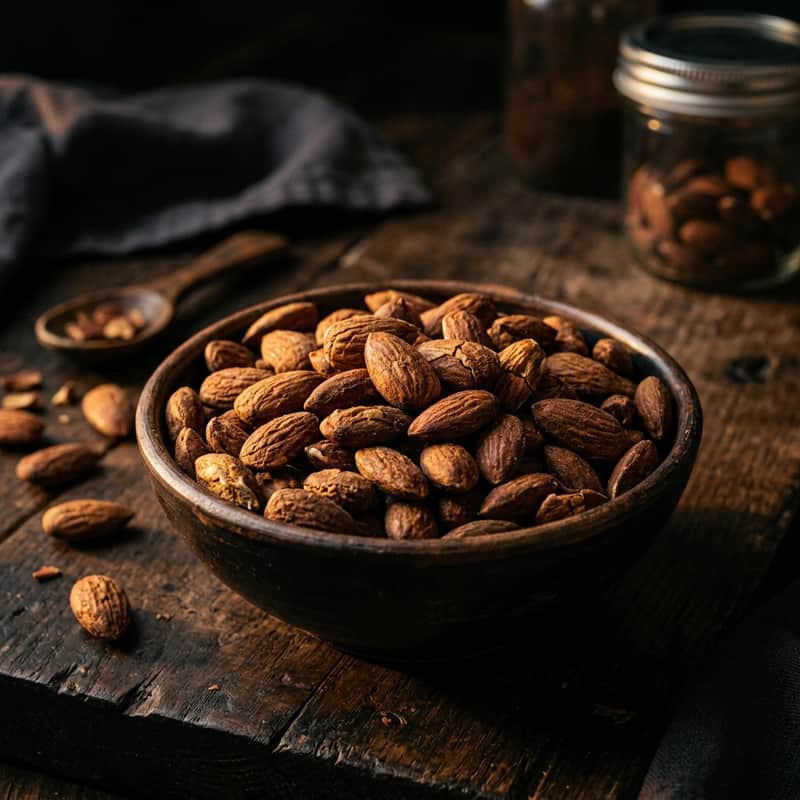
Rounding out our top five are almonds, another phenomenal tree nut that offers a deeply restorative profile. Almonds are particularly prized for their exceptionally high concentration of magnesium. As previously mentioned, magnesium is critical for activating the parasympathetic nervous system (the 'rest and digest' system) and boosting GABA levels in the brain. However, magnesium also plays a crucial physical role: it is necessary for muscle relaxation.
Many individuals struggle to fall asleep not because of a racing mind, but because of physical tension, muscle cramps, or restless leg syndrome—all classic symptoms of magnesium deficiency. A single ounce of dry roasted almonds provides nearly 20% of your daily required magnesium, rapidly resolving this physical tension. Furthermore, almonds contain a moderate amount of high-quality plant protein, which helps stabilize blood sugar levels overnight. A sudden drop in blood glucose during the night can trigger the release of cortisol, jolting you awake. The sustained energy release from the healthy fats and protein in almonds ensures your blood sugar remains perfectly stable, allowing you to sleep undisturbed until morning.
Formulating Your Nightly Routine
Understanding the science behind these foods is only the first step; the true power lies in implementation. To maximize your sleep architecture, consider formulating a specific 'Wind-Down Protocol' utilizing these ingredients. Approximately 90 minutes before your intended bedtime, create a small, nutrient-dense snack plate.
A perfect combination would be a small bowl containing a handful of walnuts and pumpkin seeds, accompanied by a single sliced kiwi. If you prefer a liquid protocol, a small glass of unsweetened tart cherry juice blended with a tablespoon of almond butter provides a massive infusion of melatonin, tryptophan, and muscle-relaxing magnesium. By consistently providing your biology with these exact molecular building blocks, you are no longer leaving your rest to chance. You are actively engineering a state of deep, neuro-restorative sleep, protecting your brain, and optimizing your longevity for decades to come.
Medical Disclaimer
The content provided on MyWholeFoods is for educational and informational purposes only and does not constitute medical advice. While our articles are peer-reviewed and cited from clinical literature, this information should not be used to diagnose, treat, or prevent any disease. Always consult with a qualified healthcare professional before making significant changes to your diet or wellness routine.