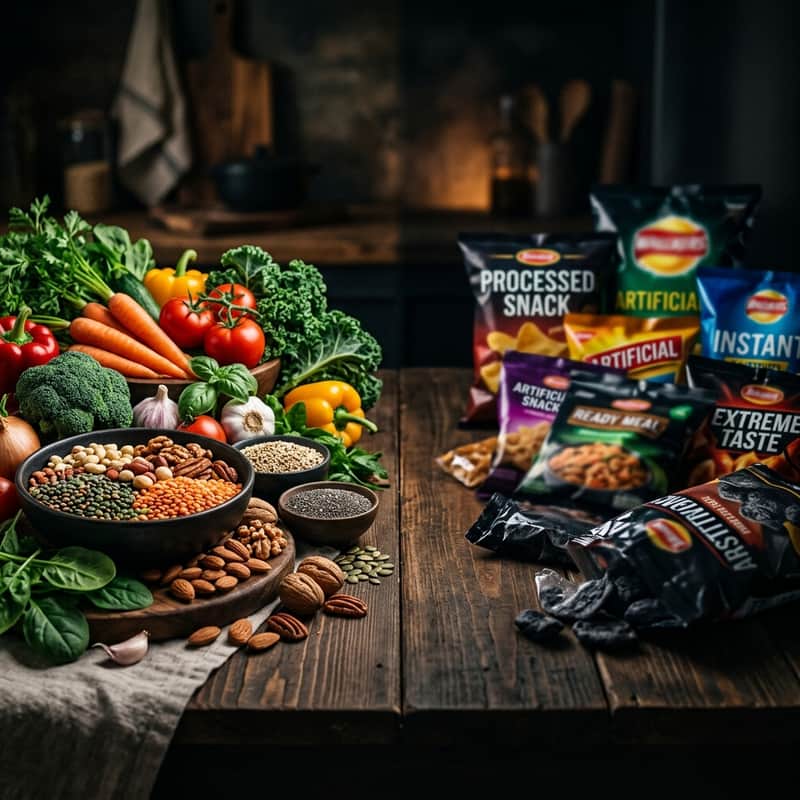
1. What “Whole Food” Means
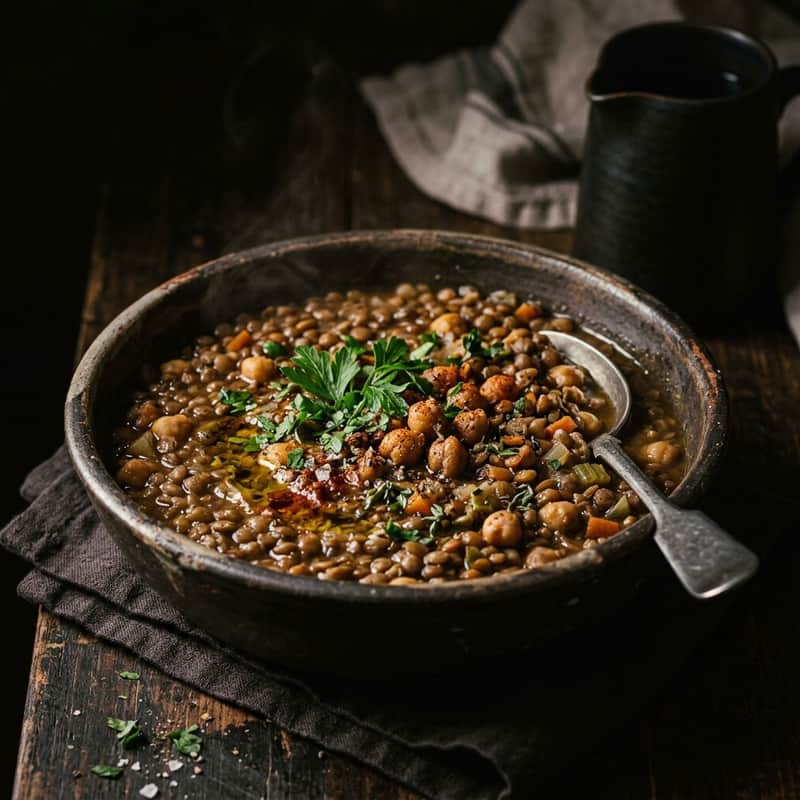
A whole food is a food that remains as close to its natural, biological state as possible. When you consume an apple, a handful of walnuts, or a bowl of steel-cut oats, you are consuming a highly complex, evolutionary structure known as the 'food matrix.' This matrix is a physical and chemical architecture that dictates exactly how the human digestive system interacts with the food. It contains intact cellular walls, naturally occurring dietary fiber, water, and thousands of synergistic micronutrients and phytochemicals that work in concert. Because human digestive enzymes must work to break down these cellular structures, whole foods provide a slow, sustained release of energy, preventing the violent spikes and crashes in blood glucose that characterize modern diets. Furthermore, the intact fibers travel safely to the lower intestine, where they serve as the primary fuel source for a thriving gut microbiome. In essence, whole foods communicate with your body's metabolic and hormonal systems in a language they have understood for millions of years.
2. What “Processed” Really Means
The term 'processed' often carries a negative connotation, but from a scientific and culinary standpoint, processing is a broad spectrum that includes many beneficial practices. Minimally processed foods have been altered for the sake of preservation, safety, or convenience without fundamentally stripping away their nutritional integrity. Freezing fresh berries at peak ripeness to preserve their antioxidants, canning beans to make them shelf-stable, or milling whole grains into coarse flour are all forms of processing. Cooking itself is a process that breaks down tough fibers and neutralizes anti-nutrients, making the calories and vitamins more bioavailable. In these minimally processed foods, the core nutritional profile remains largely intact. They do not contain added industrial sugars, artificial preservatives, or synthetic colorings. Therefore, avoiding all 'processed' foods is unnecessary and impractical; the key is learning to differentiate between benign, traditional processing methods and extreme industrial engineering.
3. What Makes a Food “Ultra-Processed”
Ultra-processed foods (UPFs) are entirely different entities. According to the NOVA classification system used by researchers globally, UPFs are not merely modified foods; they are industrial formulations manufactured from substances derived from foods, alongside additives that are rarely used in a domestic kitchen. The manufacturing process involves fractionating whole foods into their isolated components (such as extracting pure starch, sugar, or oil), chemically modifying them, and reassembling them with artificial emulsifiers, texturizers, flavor enhancers, and preservatives. This total destruction of the food matrix creates what researchers call 'acellular carbohydrates'—starches that digest instantly upon contact with saliva, causing massive insulin surges. UPFs are engineered using advanced food science to be hyper-palatable, bypassing the body's natural satiety signals and driving overconsumption. Common examples include packaged snack cakes, sugary breakfast cereals, mass-produced breads, sweetened yogurts, and artificially flavored sodas.
4. Why It Matters
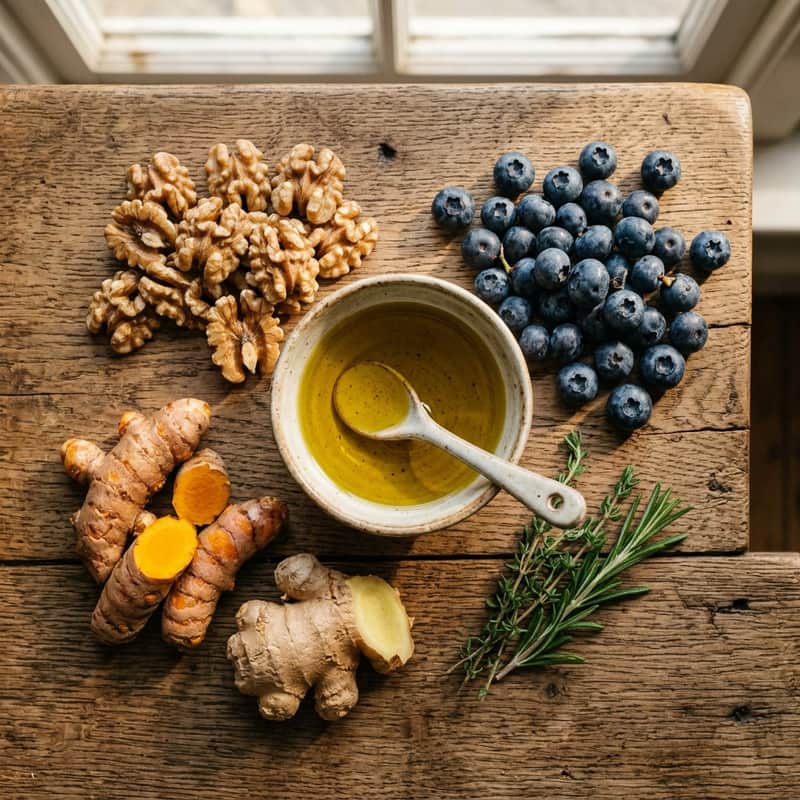
The shift from whole foods to ultra-processed foods represents a catastrophic disruption to human biology. A landmark umbrella review published in The BMJ found highly convincing evidence linking high UPF consumption to a dramatically increased risk of over 32 adverse health outcomes, including cardiovascular disease, type 2 diabetes, obesity, anxiety, and all-cause mortality [1]Ultra-processed food exposure and adverse health outcomes: umbrella review of epidemiological meta-analyses
The BMJ (2024)
View Study →. The underlying mechanisms are multi-faceted. First, the lack of intact fiber starves the beneficial bacteria in the gut microbiome, leading to dysbiosis and a compromised intestinal barrier ('leaky gut'). Second, industrial emulsifiers—commonly found in everything from oat milk to packaged bread—act like detergents, scrubbing away the protective mucus layer of the gut lining and triggering chronic, low-grade systemic inflammation. Third, the hyper-caloric, nutrient-poor nature of these foods drives a state of 'overfed malnutrition,' where the body is flooded with energy but starved of the vital micronutrients required for cellular repair and metabolic regulation.
5. 10 Easy Whole-Food Swaps
Transitioning away from ultra-processed foods does not require a complete overnight overhaul; rather, it involves consistent, practical swaps that prioritize the food matrix. Here are 10 highly effective, scientifically sound substitutions to incorporate into your daily routine: 1. Swap Sugary Cereal for Oats with Fruit: Replace highly refined, extruded cereal flakes with whole rolled or steel-cut oats topped with fresh berries and chia seeds for sustained energy. 2. Swap Processed Snack Cakes for Nuts + Fruit: Instead of packaged pastries laden with trans fats and emulsifiers, opt for a handful of raw almonds paired with an apple. 3. Swap Soda for Infused Water or Unsweetened Tea: Eliminate liquid sugars and artificial sweeteners by flavoring sparkling water with fresh lemon, mint, or brewing herbal tea. 4. Swap Frozen Highly Processed Meals for Batch-Cooked Staples: Replace TV dinners with a pre-prepared batch of brown rice, black beans, roasted vegetables, and a clean protein source. 5. Swap Packaged Sweetened Yogurt for Plain Yogurt with Berries: Avoid the 20+ grams of added sugar in flavored yogurts by buying plain, unsweetened yogurt and adding your own fresh fruit and a drizzle of raw honey. 6. Swap Energy Drinks for Matcha or Green Tea: Avoid synthetic caffeine and artificial colors in favor of the sustained alertness provided by the L-theanine and natural caffeine in matcha. 7. Swap Commercial Salad Dressings for Olive Oil and Lemon: Most bottled dressings are packed with inflammatory seed oils and sugar. Whisk together extra-virgin olive oil, lemon juice, and a pinch of salt. 8. Swap Refined White Bread for Sourdough or Sprouted Grain Bread: Traditional sourdough utilizes slow fermentation, which pre-digests gluten and lowers the glycemic index, unlike commercial breads loaded with dough conditioners. 9. Swap Artificial Fruit Snacks for Real Dried Fruit: Instead of gummy snacks made from fruit juice concentrate and corn syrup, choose whole dried figs, dates, or raisins with no added sugar. 10. Swap Store-Bought Granola Bars for Homemade Nut/Seed Bars: Commercial bars are often just disguised candy. Make your own by binding mixed nuts, seeds, and oats with mashed banana or dates.
6. A Simple 1-Day Whole-Food Meal Idea
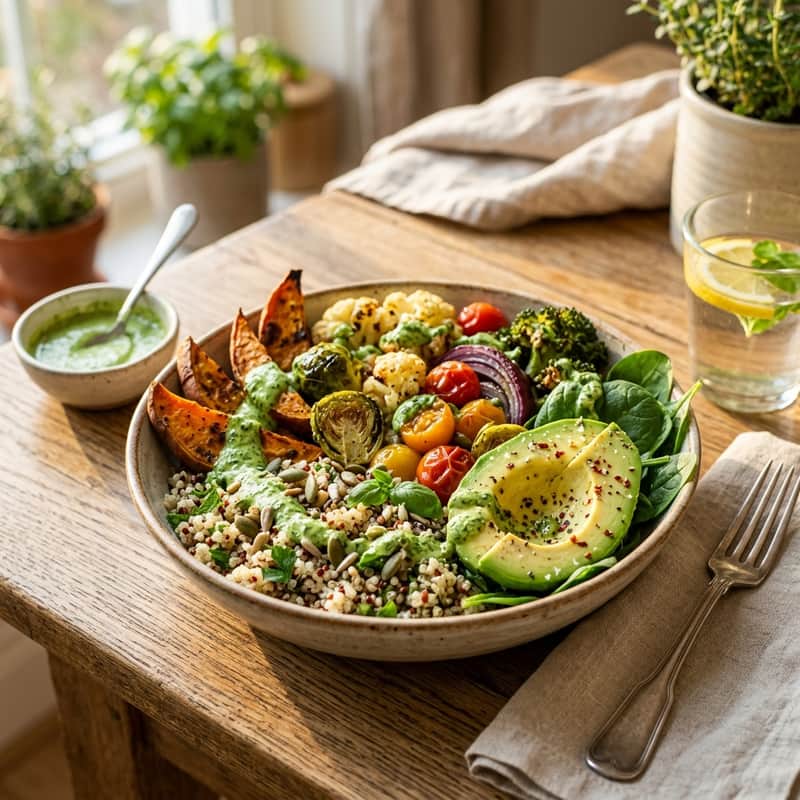
To demonstrate how seamless and satisfying a whole-food approach can be, consider this simple 1-day meal structure designed to stabilize blood sugar and support the microbiome: Breakfast: A large bowl of warm quinoa or oats cooked in water or unsweetened almond milk. Stir in a tablespoon of ground flaxseeds, a handful of walnuts, and half a cup of fresh blueberries. The combination of complex carbohydrates, healthy fats, and fiber will keep you full for hours. Lunch: A robust salad featuring a base of dark leafy greens (like spinach or arugula). Top with half a cup of rinsed chickpeas, sliced cucumber, cherry tomatoes, and half an avocado. Dress with a generous pour of extra-virgin olive oil and fresh lemon juice. This meal provides immense volume, hydration, and a diverse array of phytonutrients. Snack: An apple sliced and paired with two tablespoons of raw almond butter, or a small handful of mixed unroasted nuts. Dinner: A baked sweet potato alongside a generous portion of steamed broccoli and a clean protein source, such as wild-caught salmon, organic chicken, or a hearty lentil stew. The complex starches in the sweet potato replenish glycogen stores gently, while the cruciferous vegetables provide critical detoxifying compounds.
7. Disclaimer: Education, Not Medical Advice
The nutritional information provided in this article is intended strictly for educational and informational purposes. It is not intended to serve as medical advice, nor should it be used to diagnose, treat, cure, or prevent any disease. Always consult with a qualified healthcare professional or a registered dietitian before making significant changes to your diet, especially if you are managing a chronic health condition or taking prescription medications. The science of nutrition is highly individualized, and what constitutes an optimal diet can vary significantly from person to person.
Clinical Citations & References
- Ultra-processed food exposure and adverse health outcomes: umbrella review of epidemiological meta-analyses
The BMJ (2024)
View Study →
Medical Disclaimer
The content provided on MyWholeFoods is for educational and informational purposes only and does not constitute medical advice. While our articles are peer-reviewed and cited from clinical literature, this information should not be used to diagnose, treat, or prevent any disease. Always consult with a qualified healthcare professional before making significant changes to your diet or wellness routine.