
Vinegar, a humble kitchen staple with a history that dates back thousands of years, is experiencing a well-deserved renaissance. From its health benefits, particularly on gut health, to its versatile culinary uses, vinegar is capturing the attention of health enthusiasts and gourmet chefs alike. The transformation of simple fruit or grain into vinegar involves a fascinating biochemical process primarily dominated by acetic acid, which is the compound that gives vinegar its characteristic pungency and tartness. In this article, we delve into the world of vinegar, exploring its types, benefits for gut health, and its magical uses in the culinary arts.
Understanding Acetic Acid
Acetic acid is the main active component of vinegar, contributing to its distinct taste and properties. Fermentation is a key process in vinegar production, initiated by yeasts that convert sugars into alcohol. Subsequent fermentation involves acetic acid bacteria, such as Acetobacter, which convert alcohol into acetic acid. This acid acts as a preservative by lowering the pH, which inhibits the growth of certain bacteria that cause food spoilage, while enhancing the flavors of food through its sharp, sour notes [1]Vinegar Improves Insulin Sensitivity
Diabetes Care (2004)
View Study →.

Diverse Types of Vinegar
Interestingly, the variety of vinegars available differ not only in flavor profiles but also in the substrates used during fermentation. Let's explore a few common types:
**Apple Cider Vinegar:** Made from fermented apple juice, apple cider vinegar (ACV) has a golden color and a milder, tangy taste. It has gained considerable popularity due to its purported health benefits, particularly its effects on gut health.
**Balsamic Vinegar:** Originating from Italy, balsamic vinegar is made from Trebbiano grape juice. It is aged in wooden barrels, which imparts a complex, rich flavor with a balance of sweetness and acidity. Used traditionally in Italian cuisine, it adds depth to salads, meats, and even desserts.
**Black Vinegar:** Often used in Chinese cooking, black vinegar is made from fermented rice, wheat, millet, or sorghum. It has a dark color and a malty flavor, making it perfect for enhancing the taste of dumplings and creating flavorful reductions and sauces [2]Functional properties of vinegar
Journal of Food Science (2014)
View Study →.
Vinegar's Impact on the Gut Microbiome
The focus on gut health has highlighted the role of vinegar in modulating the gut microbiome. This community of trillions of microorganisms in our intestines plays a vital role in digestion, nutrient absorption, and immune function. The acetic acid in vinegar may promote the growth of beneficial bacteria like Lactobacillus, promoting a balanced microbiome [3]Effect of apple cider vinegar on delayed gastric emptying
BMC Gastroenterology (2007)
View Study →. Additionally, apple cider vinegar is touted for its potential to aid digestion, alleviate symptoms of acid reflux, and improve insulin sensitivity, although more clinical research is needed to substantiate these claims.

Culinary Magic: Using Vinegar in the Kitchen
Vinegar's versatility in the kitchen is unrivaled. It serves as an acidifier, a flavor enhancer, a tenderizer, and a preservative. Here are some magical ways vinegar can transform your cooking: **Salad Dressings:** Beyond the standard oil and vinegar combo, think of creating complex flavor profiles by adding herbs, spices, or even a hint of sweetness using honey or maple syrup. **Marinades:** Vinegar's acidity helps break down protein structures, making it an excellent ingredient in marinades for meats and vegetables. This not only tenderizes but also infuses them with flavors. **Baking:** Vinegar can react with baking soda, producing carbon dioxide and making cakes and baked goods rise. A tablespoon of vinegar in your batter can add fluffiness while remaining undetectable in flavor. **Sauces and Reductions:** Use balsamic or black vinegar to create luxurious reductions that can be drizzled over roasted vegetables, grilled meats, or even desserts for a complex contrast of sweet and sour [4].
The Vinegar Renaissance: Health and Satisfaction
As modern dietary trends increasingly emphasize whole, fermented, and functionally nutritious foods, vinegar stands out as a simple yet potent ingredient. Its myriad health benefits, particularly in supporting gut health and maintaining a balanced microbiome, alongside its transformative culinary applications, make it a valuable addition to any diet. The resurgence of interest in vinegar thus represents a return to tradition while simultaneously embracing new ways of enhancing health and satisfaction through food. Thus, the vinegar renaissance isn't just a revival of traditional uses but an expansion into innovative culinary and health-enhancing territories. Whether you're a culinary enthusiast eager to experiment or someone focused on optimizing health, vinegar offers a plethora of benefits worth exploring in depth.
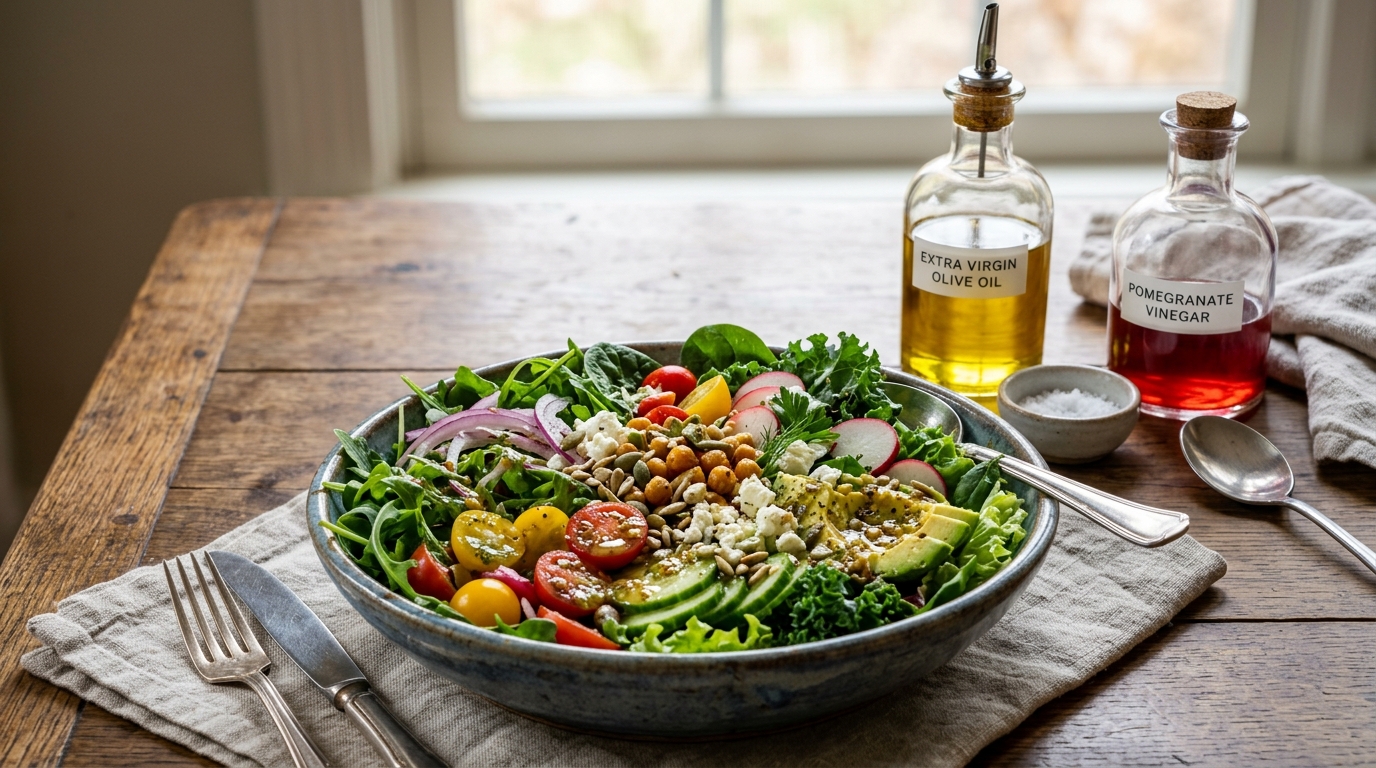
For those new to vinegar, starting with a small tasting selection can introduce you to its varied profiles. Incorporating this staple into your culinary routine can elevate not just the flavor, but the nutritional profile of your meals as well. As our understanding of nutrition deepens, vinegar's place in our diets is set to grow exponentially, proving itself more than just an acidic condiment but a vital ingredient in the pursuit of health and culinary excellence.
Clinical Citations & References
- Vinegar Improves Insulin Sensitivity
Diabetes Care (2004)
View Study → - Functional properties of vinegar
Journal of Food Science (2014)
View Study → - Effect of apple cider vinegar on delayed gastric emptying
BMC Gastroenterology (2007)
View Study →
Medical Disclaimer
The content provided on MyWholeFoods is for educational and informational purposes only and does not constitute medical advice. While our articles are peer-reviewed and cited from clinical literature, this information should not be used to diagnose, treat, or prevent any disease. Always consult with a qualified healthcare professional before making significant changes to your diet or wellness routine.

Gregory David Founder & Editor, MyWholeFoods
Gregory David is the founder and editor of MyWholeFoods. He researches evidence-based nutrition and whole foods by reviewing peer-reviewed scientific literature, including studies published through PubMed and other respected scientific sources. His goal is to present reliable nutrition information in a clear, practical, and accessible way for everyday readers.